Bioresonance
During the bioresonance analysis, the natural and characteristic vibrations of individual cell groups, tissues and organs in the body are measured. According to the engineer Paul Schmidt, a pioneer in the field of bioresonance, diseases that manifest themselves physically and thus can be detected by conventional medicine show average frequency values of less than 100 kHz, as compared to the organism that oscillates in a much higher range. When vibrations in a healthy body are permanently disturbed, for example by malnutrition, allergens, pathogens, stress or traumatic experiences, the frequency drops over time and diseases of various kinds can manifest themselves.
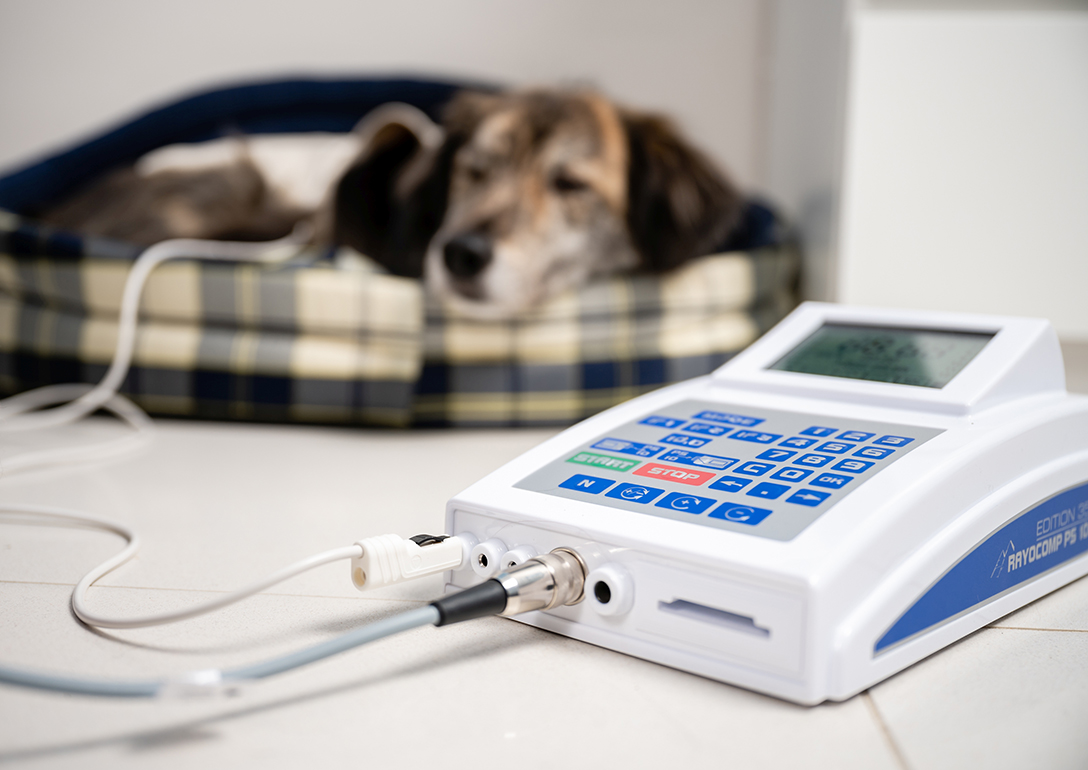
A bioresonance device searches for those frequencies that are currently not vibrating harmoniously and brings them back into balance. So, there is regulation in the body by gently harmonizing the disturbed vibrations and stimulating the body’s self-healing powers.
The bioresonance analysis is carried out either using fine detectors woven into blankets with which the animal is in direct contact, or using DNA samples (e.g. fur), in which the information from the last 6 months is stored.
What does a bioresonance session provide information about?
- Condition of all organs (e.g. respiratory tract, digestive tract, urinary tract, liver, etc.) and the corresponding diseases
- Muscles, skeleton, nervous system, brain, lymphatic system, blood vessels, endocrine system
- All sensory organs (eyes, skin, etc.) and genital organs
- Teeth
- Meridians and acupuncture points
- ATP production (Energy)
- Exposure to electrosmog and geopathy
- Pollutants (e.g. heavy metals, poisons, genetic toxins)
- Pathogens (viruses, bacteria, parasites, fungi, worms) and their toxins
- Nutrients (minerals, trace elements, vitamins, probiotics, fatty acids)
- Enzymes, amino acids
- Allergens and intolerance triggers
- Acid-base balance
- Testing of food supplements, herbs, Schüßler salts and Bach flowers
- Testing of psychological stress
- Degeneration of cell tissue
- Livestock: quality of drinking water
Treatment options for bioresonance therapy include
- Allergies and intolerances
- Chronic diseases that cannot be treated successfully (anymore) by conventional medicine
- Acute and chronic pain
- Diseases of the internal organs
- Diseases of the musculoskeletal system (e.g. lameness)
- Joint problems (Arthrosis, arthritis, rheumatism, gout …)
- Skin diseases / eczema / itching
- Respiratory diseases
- Gastrointestinal diseases (diarrhea, vomiting)
- Diseases of the nervous system
- Metabolic diseases
- Hormonal imbalance, fertility disorders
- Weak immune system
- Over-acidification of the body
- Diseases caused by bacteria and viruses (incl. Covid-19)
- Parasite infestation
- Exposure to fungi, heavy metals, pesticides, pollutants
- Headshaking
- Cushing Syndrome
- Cat flu
- Laminitis (chronic and acute)
- Claw inflammation
- Infectious inflammation of the eyelid conjunctiva and cornea
- Pasteurellosis
- Lip grind
- Mastitis
- Q-fever
- Salmonellosis
- Ketosis
- Rumen acidosis
- Vaccinations: preparation and follow-up, removal of additives
- Diverting anesthesia after operations
- Post-operative care for faster wound healing
- Overall stabilization and increase in vitality in older animals
Areas of application for support on a mental level
- Rescue dogs, therapy dogs, etc. in service
- Sports dogs, competition horses (‘stage stress’)
- Stress in everyday life (e.g. street noise, overstimulation by cyclists, children, etc.)
- Fireworks anxiety
- Nausea/anxiety while driving
- Separation anxiety
- Traumatization
- Burn-out (human)
Since both analysis andtherapy are absolutely painfree and without side effects, bioresonance is particularly suitable for animals. Bioresonance analysis is a gentle, effective and tolerable form of therapy. The bio-resonance analysis forms the great basis for an optimal and stress-free therapy for your animal.
Desensitization of allergies and intolerances
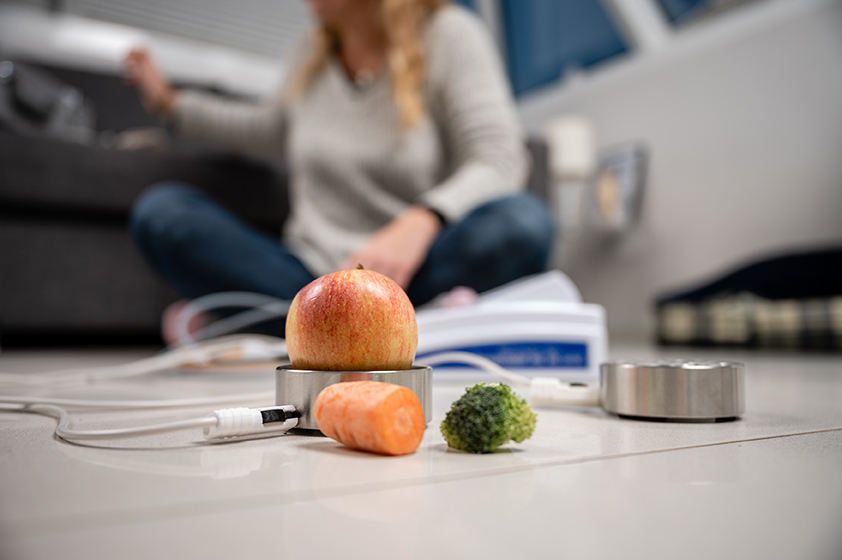
In the event of an allergy or intolerance, the body’s defense system reacts to actually harmless substances (including feed, flea saliva, fungal spores, medication, plasticizers in toys, cleaning agents, detergent additives…). In response, the animal suffers from severe itching, skin problems, chronic ear infections, or digestive problems. With the bioresonance device, the allergy triggers (allergens) can be precisely identified based on their frequencies. This enables targeted avoidance of the trigger. As an additional step, the bioresonance therapy enables the permanent erasure of the incorrect information triggered by these substances in the body by repeatedly introducing mirror oscillations. The therapy is very individual and completely painless.
Hair analysis with bioresonance
Analysis using a hair sample provides the same information about the body’s biofield as analysis done directly on the body using detectors. The only difference is that, of course, no harmonization can take place in the patient. However, you will receive a bottle with frequency drops for therapy.
You are welcome to send me the hair and the completed anamnesis form at any time without prior notice:
Cut 10-20 hairs right at the hairline or comb it out. Please wrap it in aluminum foil and send me the sample along with the anamnesis form by post. As soon as I have received the hair, the information about the animal and payment, I will contact you by e-mail. The bioresonance hair analysis will be conducted as soon as possible, but no later than the next working day. You will receive the result by email. Please bear in mind that the analysis takes a few hours and of course the summary of the test results also takes some time. In addition, the post to Texel usually takes 1 day longer. Of course, I am always available to answer your questions by phone or email before, during and after the therapy period!
What is the point of a hair analysis?
Interferences and stressors identified in an earlier analysis can be re-tested. The treatment plan can also be adjusted with Schüßler salts, Bach flowers and feed additives without my having to come to your home. This lowers your costs for the treatment. New frequency remedies can be tested and saved on frequency carriers, so the therapy can be continued without great effort.
Individual energized frequency carriers
It is possible, after the analysis and/or treatment, to save the individual frequency patterns to support the self-healing powers in water or on globules.
If your animal is already being treated by me, I can conveniently create the frequency carriers during harmonization.
Or you can send me the required data and hair by post:
To create a frequency carrier in the form of water, globules or jojoba oil, I need the completed anamnesis form on the one hand, and a hair sample of your animal on the other: 10-20 hairs cut off or combed out directly from the hairline, wrapped in aluminum foil. You can send me both the form and the hair sample by post.
The bioresonance hair analysis will be prepared promptly on the same, but no later than the next working day. Immediately after production, I will send you the frequency carriers with an individual treatment plan by post. The drops or globules are either mixed into the food or administered into the mouth. The acceptance is generally very high.
Analysis of urine, feces, saliva, ear wax, blood
Urine, feces, saliva and ear wax are excretions from the body. They contain substances that pollute the body and that it wants to get rid of.
Using this material, it is also possible to obtain information about disorders in the relevant organs and to initiate appropriate therapy and harmonization:
Urine: skin problems, treatment of bladder, kidney, and ureter.
Feces: stabilization of the digestive tract.
Saliva: Stabilization of problems in the ear, nose and throat area.
Ear wax: inflammation of the ear, tinnitus (human).
Blood: stabilization or strengthening of the immune system.
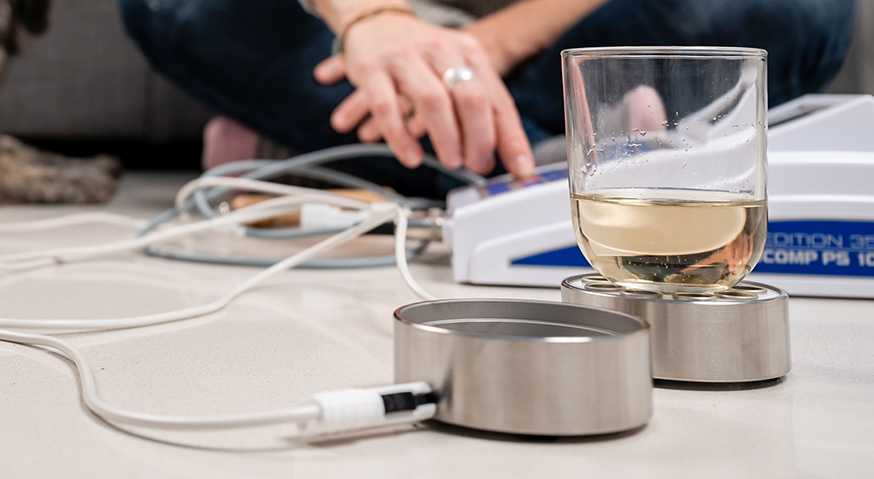
Send me the sample material along with the anamnesis form by post:
I need fresh sample material to analyze and create a frequency carrier in the form of water, globules or jojoba oil. The best way to pack it is as follows:
Urine, faeces: either apply to a swab first or put directly into a small (if possible, glass) suitable container. Please close very well and wrap aluminum foil around it!
Saliva, ear wax and blood: Apply to cotton swabs and wrap in aluminum foil.
The bio-resonance analysis will be carried out promptly on the same, but no later than the next working day. Immediately after production, I will send you the frequency carriers with an individual treatment plan by post.